 Even if you do not speak Japanese, chances are that you already know at least one Japanese word: cha, meaning tea.
Indeed, this humble beverage has quietly steeped itself into global vocabulary through centuries of cultural exchange and a growing appreciation for Japanese tea around the world.
In Japanese, however, cha (茶) is more than just something warm to drink. It appears in playful and sometimes cheeky idioms that reveal a great deal about everyday communication and humor. We have introduced a few of these expressions already. You can find them here.
In this third episode of our series, Tea in Japanese Language, we explore two particularly interesting expressions, nichijo sahanji (日常茶飯事) and ocha no ko saisai (お茶の子さいさい) . Both feature the character 茶, yet neither refers directly to what is in your teacup.
日常茶飯事 Nichijo Sahanji
The expression nichijo sahanji (日常茶飯事) describes something that happens so often that it is considered completely ordinary. Its meaning becomes clearer when the phrase is broken down. Nichijo (日常) corresponds to the English word daily and refers to everyday life. Sahanji (茶飯事) literally means daily meals, specifically tea and rice. Because such meals are eaten routinely and without special significance, sahanji gradually came to mean something extremely common or unremarkable. As a result, nichijo sahanji is used to describe events that occur as naturally and frequently as drinking tea or eating a meal, such as habitual behaviors or regularly occurring situations.
For example:
彼が遅刻するのは日常茶飯事だ。
Kare ga chikoku suru no wa nichijo sahanji da.
It is common for him to arrive late.
お茶の子さいさい Ocha no Ko Saisai
The expression ocha no ko saisai (お茶の子さいさい) is used to indicate that something is very easy to do. It is often compared to the English phrase piece of cake. This expression also becomes more vivid when examined closely. In older Japanese usage, ocha no ko referred to tea sweets, small snacks served with tea. These sweets were light enough to be eaten even before a meal and could be prepared and served in the short time it takes to brew tea. Because of this, ocha no ko came to suggest something quick and effortless. The word saisai (さいさい) is a rhythmic chant-like expression that adds a light tone but carries no specific meaning of its own. Together, the phrase conveys the idea of completing a task with ease and without strain.
For example:
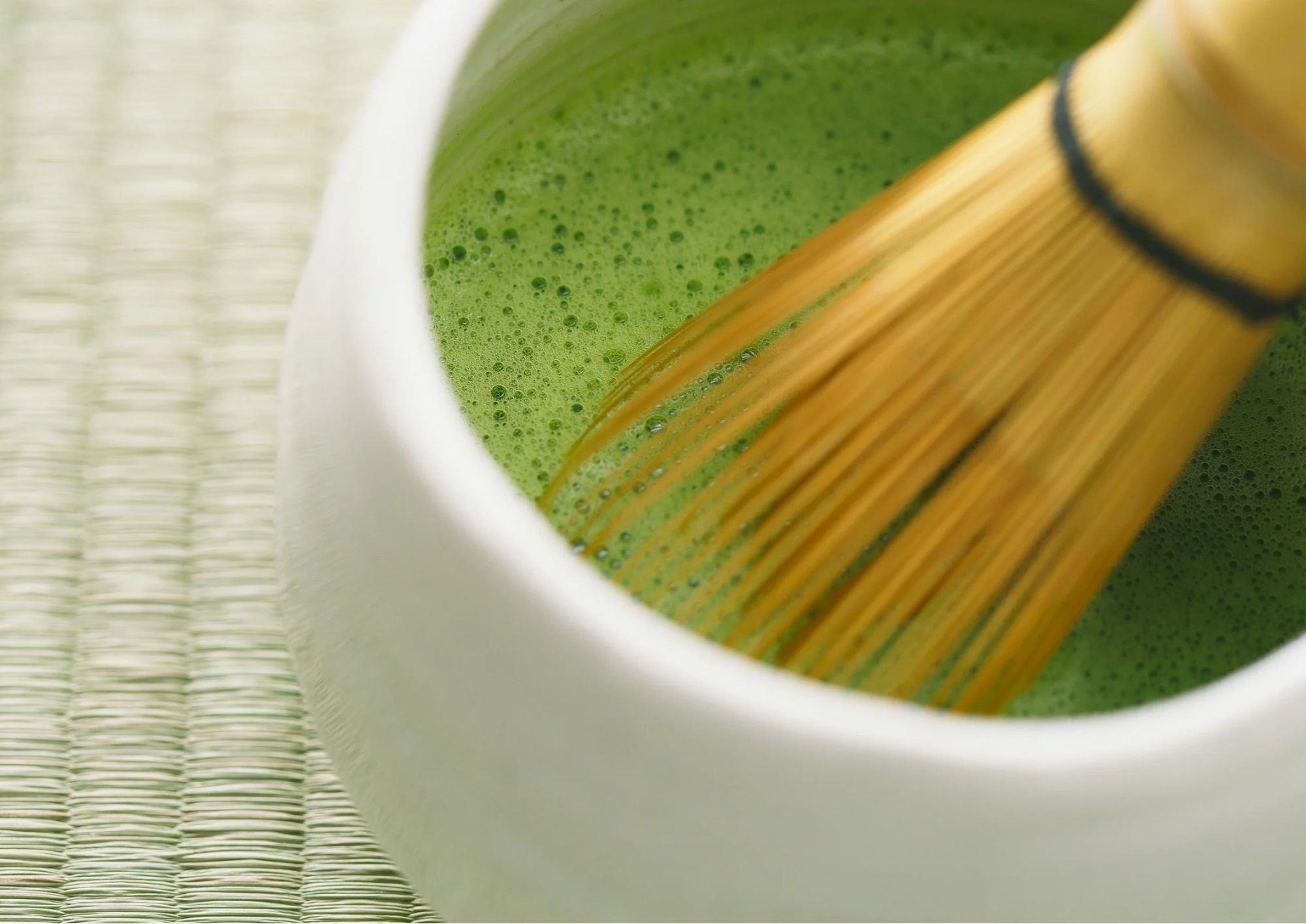
抹茶を点てるなんてお茶の子さいさいだ。
Matcha wo tateru nante ocha no ko saisai da.
Whisking a bowl of matcha is a piece of cake.
Among those who enjoy Japanese tea, quite a few are interested not only in tea but also in learning the Japanese language. It is especially meaningful that both expressions center on the word 茶, or tea. In Japanese, tea is not merely a beverage but a symbol of calm, familiarity, and everyday comfort. In nichijo sahanji, tea represents something naturally woven into daily life. In ocha no ko saisai, it suggests ease and readiness, like a cup of tea that can be prepared without effort. Both expressions reflect the idea that tea belongs to ordinary moments rather than special occasions. By understanding how the image of tea shapes these phrases, you can deepen not only your Japanese vocabulary but also your cultural connection to the language. Using such expressions naturally is a delightful way to refine your Japanese and enjoy it on a more nuanced level. The next time you have the opportunity to speak with a Japanese person, try using these expressions.